While lithium prices have surged by 400% since 2020, recycling LiBs remains uneconomical compared to mining. This article analyzes the cost drivers of LiB recycling, evaluates emerging business models, and explores how rising material prices and policy incentives could shift the economic balance.
1. Introduction
Recycling a ton of LiBs costs 5,000–10,000, compared to 2,000–4,000 for mining virgin lithium. Low recovery rates of critical metals (e.g., cobalt, nickel) and labor-intensive disassembly processes contribute to high costs. Yet, with global LiB demand expected to grow 10x by 2030, recycling could become a $18 billion industry if costs decline.
2. Cost Breakdown: Why Recycling is Expensive
- Disassembly: Manual sorting of battery chemistries (e.g., NMC vs. LFP) is time-consuming and error-prone. Automated systems reduce labor costs but require high upfront investment.
- Transportation: Hazardous material regulations increase shipping costs for end-of-life batteries.
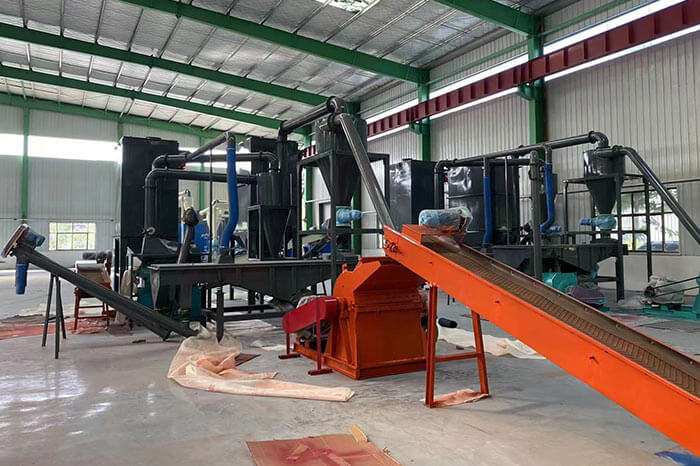
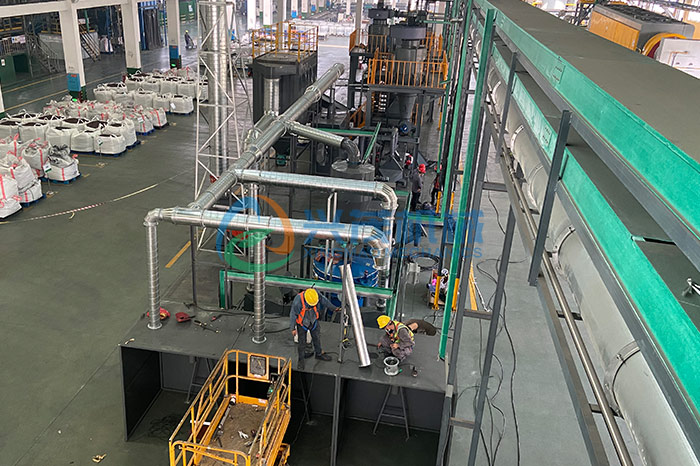
- Processing: Pyrometallurgy consumes 3–5 MWh per ton, while hydrometallurgy requires expensive chemicals like sodium hydroxide.
3. Market Dynamics: Supply vs. Demand
- Cobalt Scarcity: Cobalt prices reached $70,000/ton in 2022, driving recyclers to target this metal. However, cobalt-free batteries (e.g., LFP) are reducing demand.
- Lithium Surge: Lithium carbonate prices hit $60,000/ton in 2023, making lithium recovery more profitable. Recyclers like Li-Cycle can extract 95% pure lithium hydroxide for reuse in batteries.
4. Business Models: From Niche to Scalable
- Vertical Integration: Companies like Ganfeng Lithium control the entire recycling chain, from collection to cathode production, reducing reliance on third parties.
- Leasing Models: Startups like Circulor track battery materials via blockchain, enabling producers to reclaim metals at end-of-life.
- Public-Private Partnerships: The EU’s Battery Alliance funds recycling infrastructure, sharing costs among governments and corporations.
5. Policy as a Catalyst
- Extended Producer Responsibility (EPR): The EU’s Battery Directive requires manufacturers to fund recycling, shifting costs away from recyclers.
- Tax Incentives: The U.S. Inflation Reduction Act offers $3,750/ton tax credit for recycled battery materials, improving profitability.
6. Conclusion
Recycling LiBs will only become economically viable if material prices remain high, policies incentivize recycling, and technologies reduce processing costs. Companies that integrate recycling into their supply chains will gain a competitive edge as resource scarcity intensifies.